Table of Contents
- What Is Money? From Aggry Beads To Digital Dollars
- Chandan Sapkota’s Blog
- ️ money flow - YouTube
- ₹99,99,94,95,999.99 Credited In Account: UP Man Receives Huge Money ...
- 6 Better Ways to Talk About Money | Inc.com
- The Role and Function of Money in Modern Economies | by Alex | Medium
- Start a new life in NYC | companylistingnyc.com
- Five Real and Tested Methods for Increasing Money - ArticleStand.com
- Money Definition
- What Is Money? Definition, History, Types, and Creation

Money is a fundamental aspect of our daily lives, and understanding its properties, types, and uses is crucial for making informed financial decisions. In this article, we will delve into the world of money, exploring its characteristics, various forms, and applications, as outlined by Investopedia. By the end of this guide, you will have a deeper understanding of money and how it works, enabling you to manage your finances more effectively.

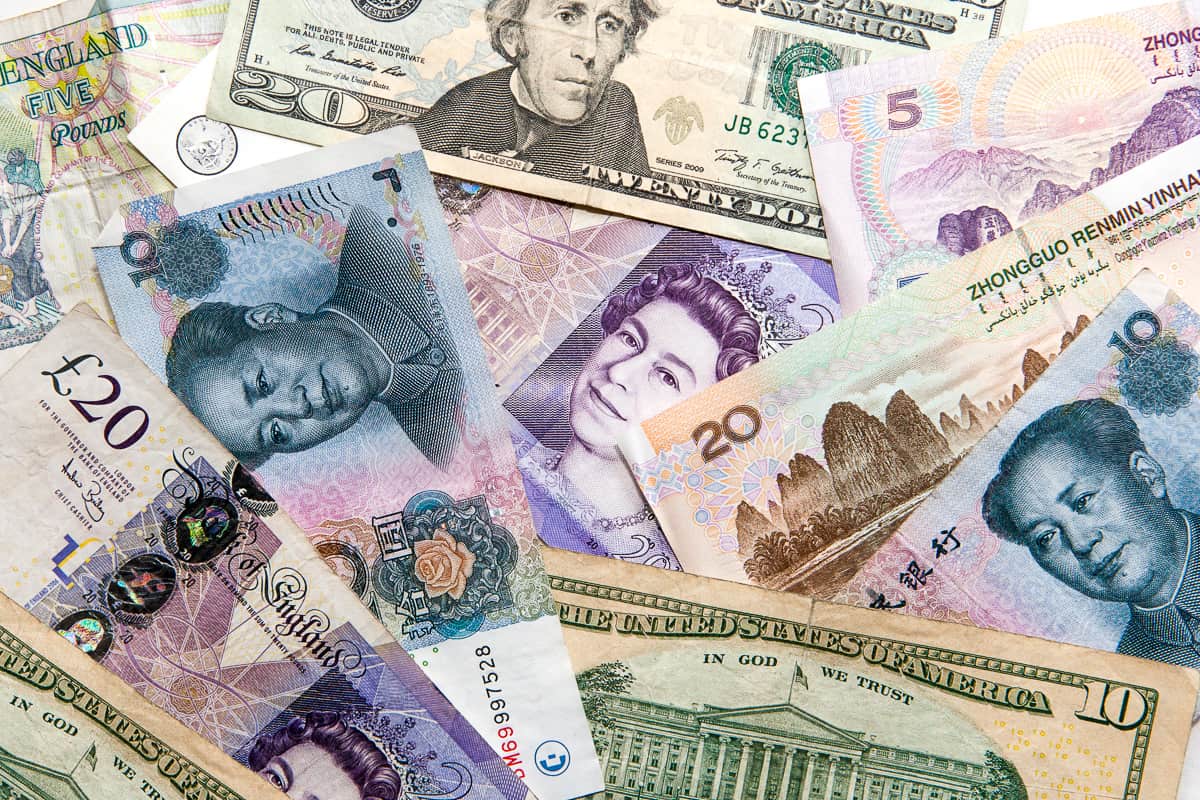
Properties of Money

Money possesses several key properties that make it a medium of exchange, store of value, and unit of account. These properties include:

- Divisibility: Money can be divided into smaller units, making it easier to conduct transactions.
- Portability: Money is easily transportable, allowing for convenient transactions.
- Durability: Money is resistant to wear and tear, ensuring its value remains stable over time.
- Uniformity: Money has a standardized value, making it easily recognizable and exchangeable.
- Limited supply: The supply of money is controlled, preventing excessive inflation and maintaining its value.

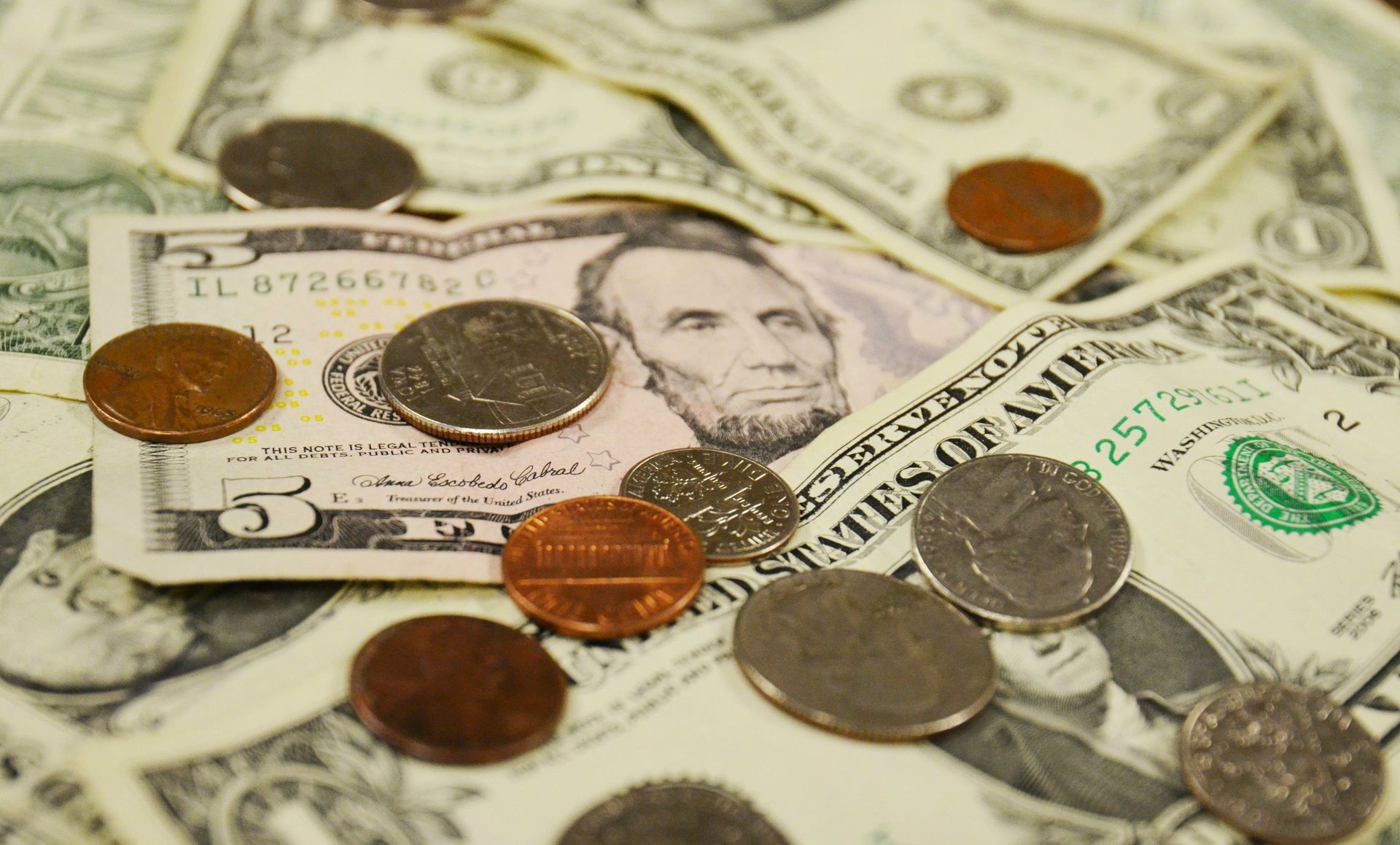
Types of Money
/dollars-closeup--485112085-c372cbbc867343e3b7b2f56d10c4e90d.jpg)
There are several types of money, each with its unique characteristics and uses. These include:
:max_bytes(150000):strip_icc()/GettyImages-1030831244-4279d87f1272423288e24a9ed9925c80.jpg)
- Fiat currency: Government-issued currency that has no intrinsic value but is widely accepted as a medium of exchange.
- Commodity-based currency: Currency backed by a physical commodity, such as gold or silver.
- Representative money: Currency that represents a claim on a physical commodity, such as a gold certificate.
- Digital currency: Electronic money, such as cryptocurrencies like Bitcoin, that exist only in digital form.

Uses of Money
Money serves several purposes, including:
- Medium of exchange: Money facilitates trade by providing a standard unit of exchange.
- Store of value: Money allows individuals to save and store value for future use.
- Unit of account: Money provides a standard unit of measurement for goods and services.
- Standard of deferred payment: Money allows for delayed payment, enabling credit and debt transactions.
In conclusion, understanding the properties, types, and uses of money is essential for navigating the world of finance. By recognizing the characteristics of money and its various forms, you can make informed decisions about your financial resources and achieve your long-term goals. Whether you're a seasoned investor or just starting to learn about personal finance, this guide provides a solid foundation for building a stronger understanding of money and its role in your life.
For more information on money and finance, visit Investopedia, a leading online resource for financial education and investing news.